Software overview
What is Corsair iCUE software?
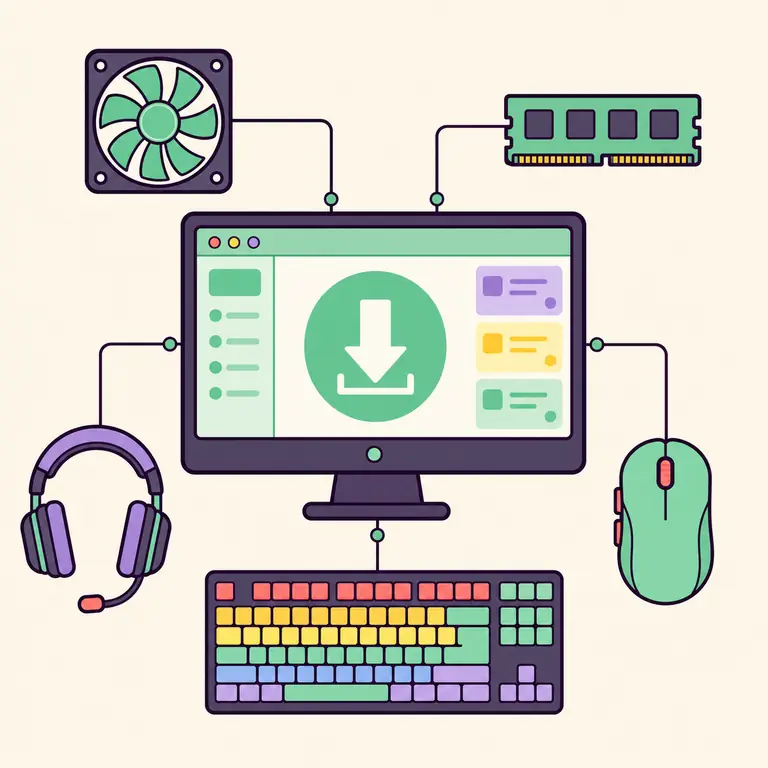
Corsair iCUE configures supported components and peripherals in one interface, including lighting, assignments, DPI, audio, cooling, sensors, LCD content, and profiles. Available controls depend on the connected hardware and installed modules.
The small modular web installer retrieves components needed by the system, so a stable connection matters. A failure after the EXE opens often involves package retrieval or Windows state rather than the initial download.
Why an independent iCUE download guide is useful
The official Corsair source should remain the place where the current installer comes from. The role of this site is different: explain which branch fits a system, expose the source and checksum clearly, separate current downloads from legacy-version searches, and connect users to practical fixes when the web installer does not complete. We do not rename, wrap, or rebundle the iCUE installer.
That distinction matters because download searches attract misleading buttons and stale mirrors. A version number can change while an old page still says latest, and a historical build may be presented without its support limitations. Every current-version claim on this page is tied to a check date. When the verified version changes, the number, update date, installer hash, metadata, schema, and related instructions must change together.
Profiles, hardware memory, and software profiles
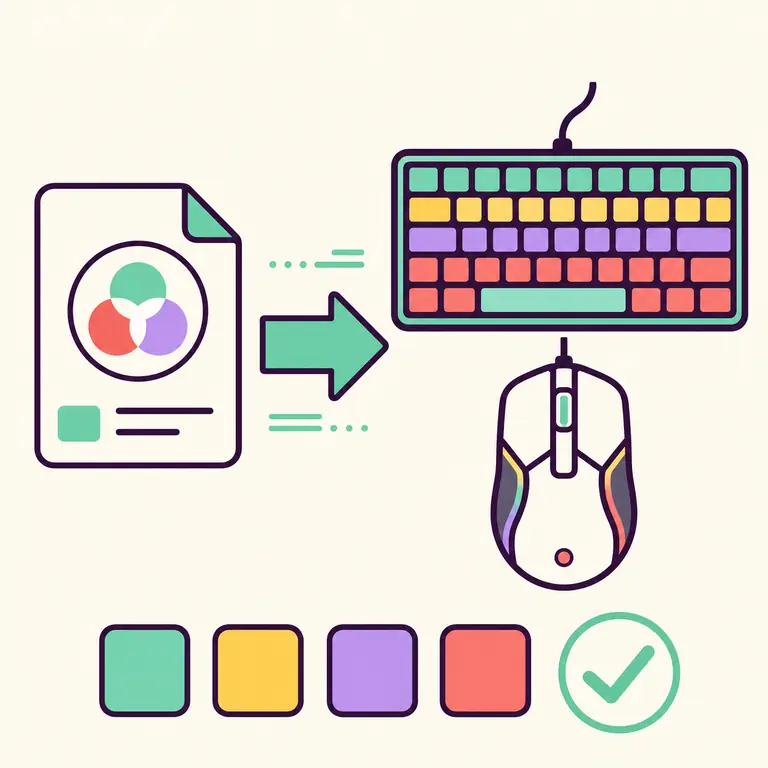
An iCUE software profile can change with an application or game and may include lighting and button assignments across several devices. A hardware profile is stored on supported device memory and can operate when iCUE is not running, but it usually supports a narrower set of effects and actions. Before importing a shared profile, export a backup and confirm that imported key assignments do not replace controls you rely on.
Profiles are not universal themes. Missing device layers, different keyboard layouts, unsupported lighting zones, and version differences can make a profile look incomplete. Start by importing into a new profile slot, inspect assignments and cooling settings, then make it active. This protects a working configuration and makes profile troubleshooting much easier.
Keep iCUE, Windows, and firmware in a known state
Before a major iCUE update, export important profiles and note custom fan curves or key assignments. Finish pending Windows updates, restart the PC, and close other RGB or motherboard control applications during installation. After the update, check device detection and firmware prompts before restoring advanced automation. This short preparation reduces the chance that several changes happen at once and makes any failure easier to diagnose.
If a device is stable on an older branch, do not downgrade or upgrade only because a search result offers another installer. Start with the device support reason, then choose the branch. The Versions and Compatibility pages organize that decision without treating every old package as equally suitable.